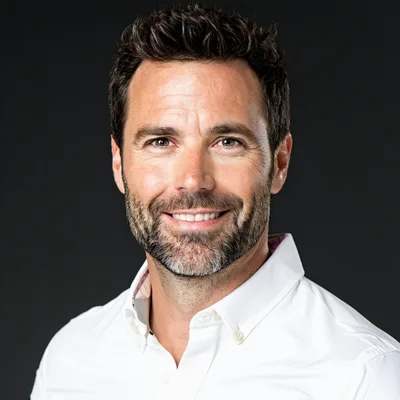
Scenehalo started as a personal shot-list tool Tyler Brennan built in 2021 — because writing b-roll cues by hand was taking longer than filming them. It's been growing by word-of-mouth since.
Tyler Brennan spent five years directing short-form content for brands on Sunset — the kind of work where you'd spend 40 minutes writing a 30-second shot list, get on set, and still forget to capture the close-up b-roll you'd mentally planned. He kept a running Notes app document of the structural patterns that worked: hook type, shot sequence, timing cadence. That document was doing real work that general-purpose writing tools weren't built to do.
In mid-2021, he turned that document into a tool. The first version generated a five-row shot list from a single-sentence concept. When he shared it with a group of LA creators, twelve of them asked for access the same day. The consistent complaint was identical across every person: scripting wasn't the creative bottleneck — it was the structural one. Too much time spent figuring out shot order and b-roll sequencing, not enough time on the actual idea.
Scenehalo is not a general-purpose script writer. We do one thing: take a rough concept and produce a camera-ready shot list — hook first, b-roll sequenced, close written — formatted for the way creators actually shoot. We don't write your creative direction. We structure what you already have in mind so you arrive on set prepared.
Four years later the team is four people, still in Los Angeles, still bootstrapped. We use Scenehalo for every piece of content we make. That keeps us honest about whether the output is actually filmable — not just plausible on a screen.
The gap between "I have a concept" and "I have a shot list I can walk onto a set with" should be minutes, not an hour in front of a blank doc. That's the one problem Scenehalo is built to solve. We don't write your creative direction, we don't generate footage, and we don't do general-purpose script writing. We do one thing: structure what you already have in mind into a camera-ready shot list — hook first, b-roll sequenced, close written, timing planned.
The Sunset Boulevard address isn't incidental. Los Angeles is where the creator economy runs on a schedule — back-to-back shoot days, weekly content cadences, production companies running 40+ social videos a month for DTC brands. Those are the people who road-tested early versions of Scenehalo and told us what was wrong.
We've stayed bootstrapped because it lets us build for what creators actually need on set, not for a pitch deck. When a team member produces their own content on weekends, the product complaints are immediate and specific.